Greenville Neighborhoods With Easy Park Access
May 14, 2026
May 14, 2026
Looking for a home near green space in Greenville? You have more than one great option, but the right fit depends on how you want to live day to day. Some buyers want to walk to a downtown park, others want easy trail access, and some want a more established residential setting close to larger outdoor spaces. This guide will help you compare Greenville neighborhoods with easy park access so you can narrow your search with more confidence. Let’s dive in.
In Greenville, park access is not one single experience. The city’s most relevant park-centered areas tend to fall into four distinct settings: Falls Park near downtown, Unity Park on the west side, Cleveland Park in an established city-park corridor, and Conestee Nature Preserve south of downtown.
That matters because the home search can look very different depending on which park setting fits your routine. In general, buyers are often choosing between urban walkability and historic housing closer to downtown, or larger lots and a more suburban feel farther out.
Falls Park sits on South Main Street, which makes it a natural draw if you want to be close to downtown activity. If your ideal weekend includes walking to the park, spending time near Main Street, and enjoying a more urban setting, this part of Greenville is a strong place to start.
West End is one of the best-known options for buyers who want close access to Falls Park. Historically, the district grew south of the Reedy River around Main, Pendleton, and Augusta streets, and today it remains one of downtown Greenville’s most walkable pockets.
Housing in West End includes a mix of early-1900s bungalows, American Foursquares, Tudor-inspired newer construction, and modern condo complexes. That gives you a broader range of home styles than you might expect in a close-in downtown neighborhood.
If you like the idea of a mixed-use, city-center lifestyle, West End is worth a close look. It often appeals to buyers who want to be able to enjoy Greenville on foot instead of relying on a car for every outing.
Hampton-Pinckney sits a few blocks northwest of downtown and is Greenville’s oldest surviving residential neighborhood. The area is known for mostly single-family frame houses built in the Queen Anne style, along with other early-twentieth-century buildings.
For buyers who love historic homes and want to stay close to downtown, this neighborhood offers a strong sense of place. It can be a good fit if you value older architecture and want easy reach to central Greenville and Falls Park.
Pettigru is east of downtown and offers a tree-lined residential feel within easy reach of the city core. The district includes frame and brick homes with Queen Anne, bungalow, and Colonial Revival influences.
If you want an older neighborhood feel without giving up convenience to downtown destinations, Pettigru stands out. It tends to appeal to buyers who want a classic residential setting near the energy of Greenville’s center.
Unity Park is best understood as a trail-connected west-side park rather than a single-neighborhood amenity. Located at 320 S. Hudson Street, it is open daily and connects to the Swamp Rabbit Trail, downtown garages, playgrounds, a splash pad, wetlands, and trail-and-bridge connections.
If park access means biking, walking, and spending time on connected paths, Unity Park can shape your home search in a very practical way. For many buyers, the focus here is less about one exact architectural style and more about how easily the neighborhood connects to the park and trail system.
West End also makes sense for buyers focused on Unity Park. Because of its location and city-center feel, it offers one of the clearest links between urban living and easy park access.
This area includes older bungalows and Foursquares alongside newer infill and condo living. If you want a home base that feels connected to both downtown and the trail network, West End checks a lot of boxes.
The neighborhoods around Unity Park include West Greenville, Southernside, and Nicholtown, all of which are part of the city’s active neighborhood-planning areas. Together, they create a broader west-side search zone for buyers who care about trail access and park connectivity.
This is a helpful area to explore if you are open to different home types and neighborhood patterns. Rather than focusing on one park-side district, you can think of this part of Greenville as a connected network with good access to outdoor amenities.
Cleveland Park is Greenville’s largest park, and it offers a very different experience from the downtown and west-side options. The park includes the Greenville Zoo, two playgrounds, a fitness trail, half-court basketball courts, tennis courts, sand volleyball, and multiple rentable shelters.
The surrounding areas are tied to early-twentieth-century suburban development. If you want established streets, mature trees, and neighborhood-scale park living instead of downtown density, this part of Greenville may be a better fit.
East Park gives buyers one of the clearest architectural snapshots in Greenville. The area includes Colonial Revival, Period Revival, and Craftsman homes, along with Tudor Revival homes on East Park Avenue and more modest bungalows on Vannoy and Rowley streets.
That variety can be especially appealing if you want character without being right in the middle of downtown. You get a more classic residential setting while staying close to one of the city’s most amenity-rich parks.
Heritage, just northwest of downtown, developed in the same general era and is described as having many bungalows. For buyers who prefer established neighborhood character and easier access to green space, Heritage is another area to keep on your list.
It can be a practical middle ground if you want proximity to central Greenville but prefer a more residential atmosphere. That balance is often attractive to both local movers and relocation buyers.
If your idea of park access is more about nature than city recreation, Conestee Nature Preserve deserves attention. The preserve is a 640-acre wildlife sanctuary about five miles south of downtown, with paved and natural-surface trails, wetlands, boardwalks, and a sunrise-to-sunset schedule every day of the year.
This is not the same experience as living near a traditional city park. It is better suited to buyers who want regular access to a nature-preserve setting and do not mind driving rather than walking to reach it.
For a home search near Conestee, Parkins Mill and Gower Estates are often practical south Greenville areas to consider. These are better thought of as nearby suburban options rather than one tightly defined park-side district.
Parkins Mill is described as quiet and mostly residential, with spacious lots and larger homes. Gower Estates is considered a well-established area near Parkins Mill Road with mostly medium- to large-sized single-family homes.
If you are relocating and want a more residential environment with easier access to nature-oriented outdoor space, these areas may be worth exploring. They offer a different rhythm from downtown living while still keeping Greenville amenities within reach.
A park-first home search in Greenville usually comes down to three main lifestyle paths. Once you know which one sounds most like you, your neighborhood shortlist becomes much easier to build.
As you compare neighborhoods, it helps to think beyond the park itself. Ask yourself:
These questions often matter just as much as distance on a map. The best neighborhood is usually the one that supports your everyday habits, not just your weekend plans.
If you are sorting through Greenville from out of town, this kind of lifestyle comparison can save you time. It helps you focus on the areas that match how you actually want to live.
Whether you want a condo near Falls Park, a bungalow near Cleveland Park, or a larger home with easier access to Conestee, having local guidance makes the search feel much more manageable. If you want help narrowing down the right Greenville neighborhood for your lifestyle, Kiersten Bell would love to help you explore your options.
Stay up to date on the latest real estate trends.

September 10, 2026

September 8, 2026
Where To Shop, Sip, And Unwind With Your Closest Friends.
September 8, 2026
What Consistently Sets Top-Selling Homes Apart.
September 3, 2026
August 27, 2026
August 20, 2026
August 13, 2026
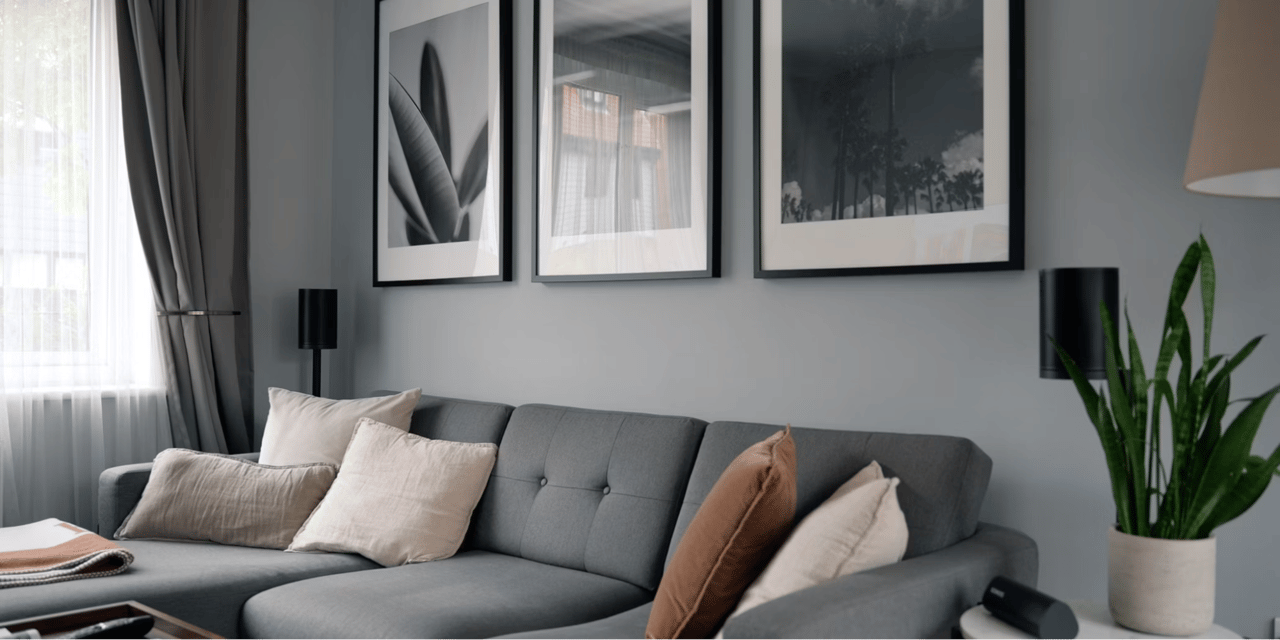
Home Staging Colors in Greenville, SC Sellers Should Know About.
August 13, 2026
August 6, 2026
We have always prided ourselves in our honesty, loyalty and genuine personality. Let us guide you through your journey of finding the perfect home for you. Bring on the questions and let's go house hunting!