By Kiersten Bell + Co.
Greenville's real estate market moves quickly, and one of the best things we can do for our buyers is make sure they're fully prepared for every step before they get there — including the home inspection. Whether you're buying in the historic neighborhoods near Falls Park, a newer build in Simpsonville, or something in between, understanding how the inspection process works puts you in a stronger position to make informed decisions. Here's exactly what to expect.
Key Takeaways
- A home inspection is a buyer's clearest look at a property's true condition before closing
- Greenville's climate and housing stock create specific inspection considerations worth knowing
- Buyers have options for how to respond once the inspection report is in hand
- Working with the right team makes the inspection process straightforward from start to finish
What a Home Inspection Is and Why It Matters
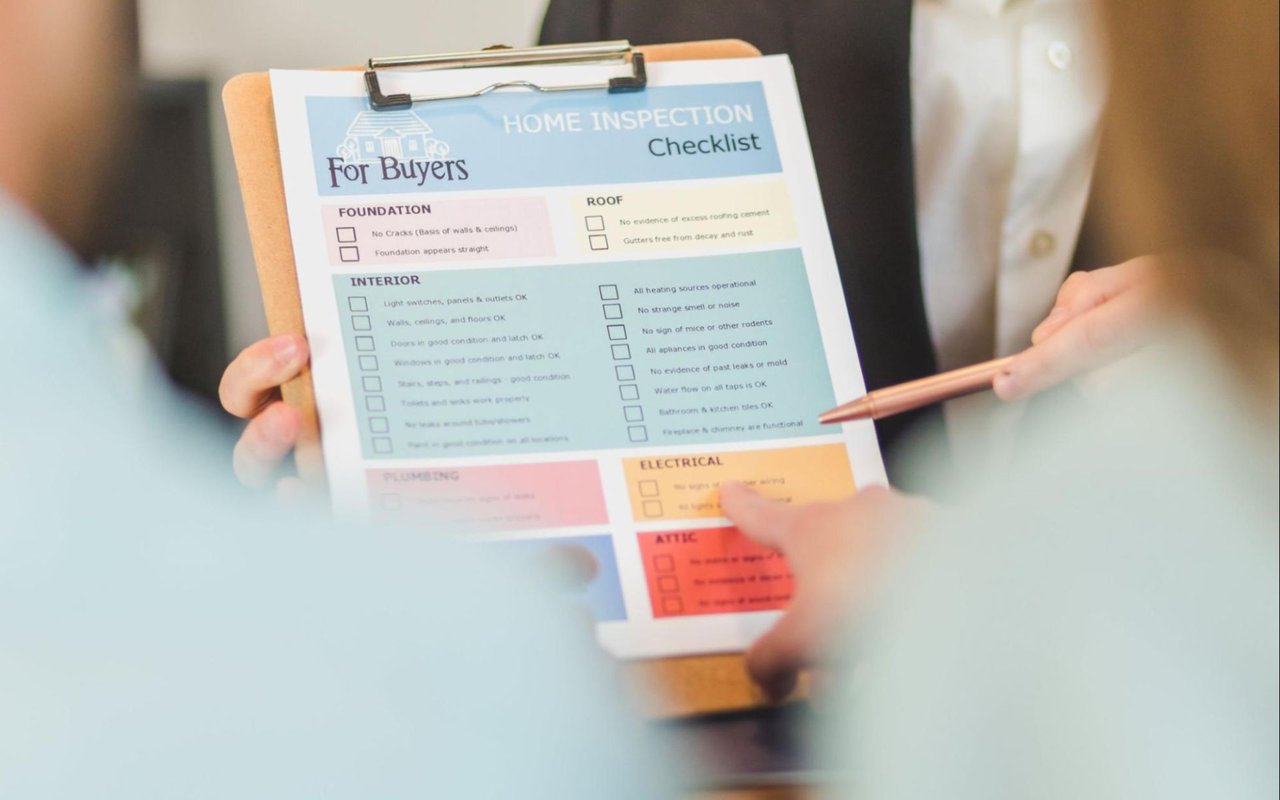
A home inspection is an independent, visual assessment of a property's condition conducted by a licensed inspector. It covers the home's structure, systems, and major components, giving buyers a detailed picture of what they're purchasing before the transaction is final. It's one of the most valuable steps in the entire buying process.
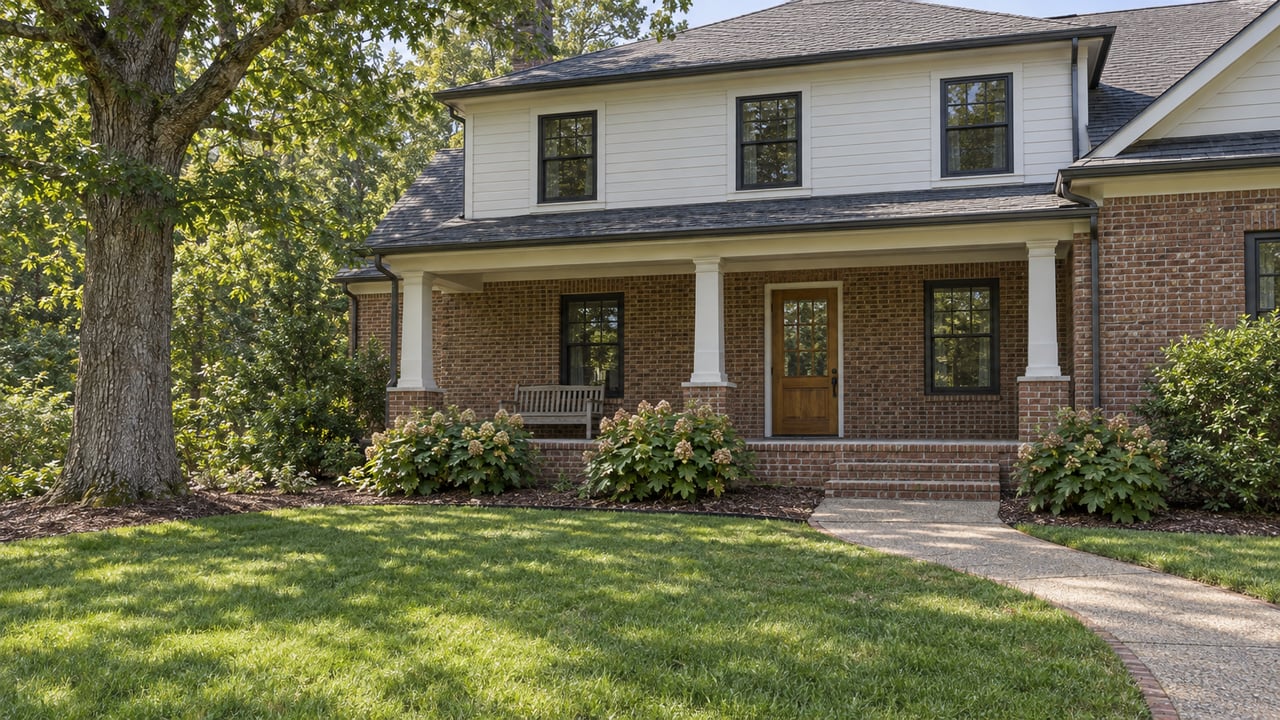
In Greenville, where the housing inventory includes everything from century-old craftsman homes in the West End to modern construction in communities like Five Forks and Eastside, inspectors encounter a wide range of conditions. Knowing what they're looking for helps buyers interpret the report with clarity.
What a Home Inspector Evaluates
- Foundation and structure: Grading, drainage, crawl space conditions, and any signs of settling or movement
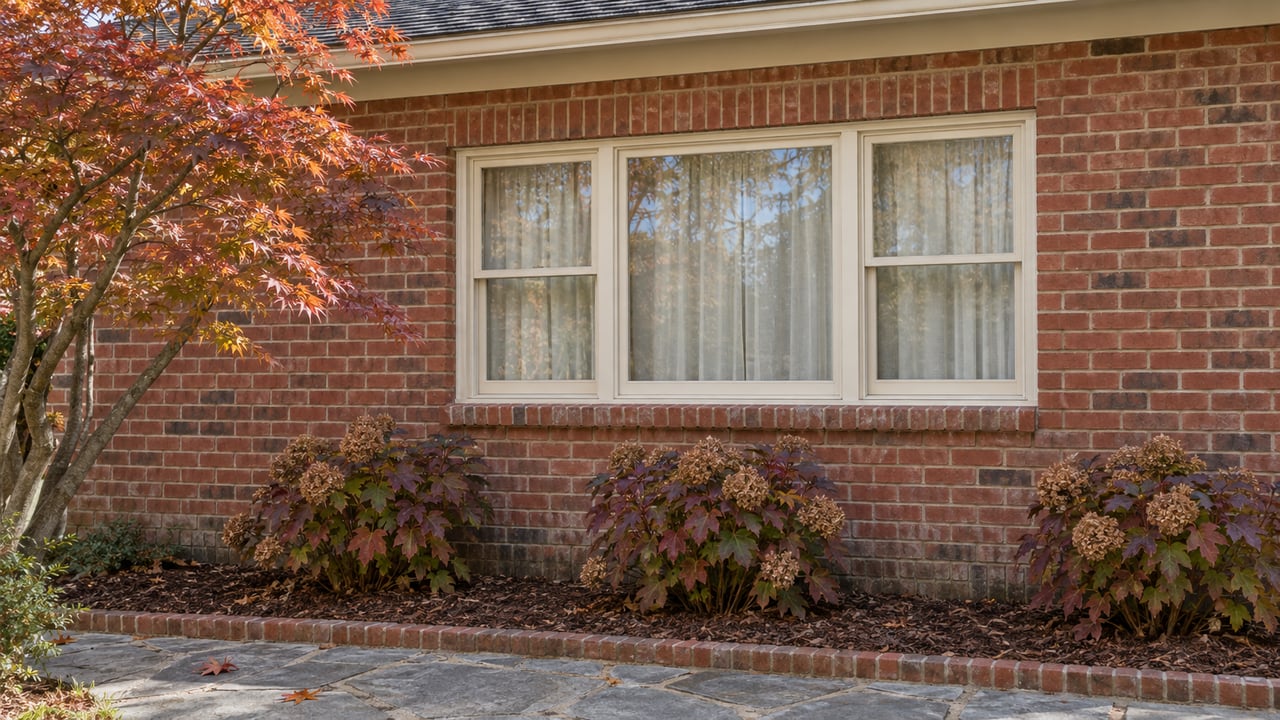
- Roof and exterior: Age and condition of roofing, gutters, siding, and windows
- HVAC systems: Condition and age of heating and cooling equipment; this is especially relevant in Greenville's warm, humid summers
- Plumbing and electrical: Water pressure, visible supply and drain lines, panel condition, and outlet function
- Interior components: Ceilings, floors, walls, doors, and stairs assessed for condition and function
What to Expect on Inspection Day
Once your offer is accepted, we'll help you schedule a licensed inspector quickly; inspection periods in Greenville typically run 7–10 days, so timing matters. Plan to attend the inspection in person if at all possible. Walking through the property with the inspector gives you direct context for everything that ends up in the written report.
Inspections for a standard single-family home typically take two to four hours. After the visit, the inspector delivers a detailed written report, usually within 24 hours, documenting findings with photos and condition notes.
How to Make the Most of Inspection Day
- Be present: Inspectors welcome buyer questions and can explain findings in real time
- Take notes: Your own observations alongside the inspector's commentary are useful when reviewing the report
- Ask about priority: Inspectors can help you distinguish between minor maintenance items and conditions worth addressing before closing
- Bring your agent: We attend inspections with our clients so we can evaluate findings in the context of your specific transaction
How to Respond to the Inspection Report
Once the report is in hand, buyers have options. In Greenville's market, how you respond depends on the findings, the property, and your goals, and we help you think through all of it.
Most inspection reports include a range of items, from routine maintenance notes to more substantive findings. The goal isn't a perfect report; it's understanding what you're buying and deciding how to proceed with full information.
Common Ways Buyers Respond to Inspection Findings
- Request repairs: Ask the seller to address specific items before closing
- Request a price adjustment: Negotiate a reduction to account for the cost of repairs you'll handle after closing
- Request a credit at closing: Receive funds at closing to cover repair costs rather than having the seller coordinate the work
- Proceed as-is: Accept the property in its current condition; this is often the right call for minor findings or highly competitive situations
- Request a specialist evaluation: For significant findings (roof, HVAC, foundation), bring in a licensed contractor for a more detailed assessment before deciding
Frequently Asked Questions
How do we find a reliable home inspector in Greenville?
We maintain relationships with licensed inspectors who know Greenville's housing stock well. When you're under contract, we'll
recommend inspectors whose thoroughness and communication we trust based on direct experience working with them.
What if the inspection turns up something significant?
We'll work through the findings with you and help you determine the best path forward. Most findings are negotiable, and our job is to make sure you have the information and support to make the decision that's right for you.
Is a home inspection required to buy a home in Greenville?
It's not legally required, but we strongly recommend it for every buyer we work with. It's one of the most important opportunities you have to fully understand a property before committing to the purchase.
Work With Kiersten Bell + Co. to Buy With Confidence
Buying a home in Greenville is an exciting step, and our team is here to make sure every part of the process (including the inspection) feels clear and manageable. At
Kiersten Bell + Co., we guide our clients through each stage with the kind of hands-on support that takes the guesswork out of one of the biggest decisions you'll make.
If you're also interested in investment properties in the Greenville area, we'd love to add you to our mailing list — we regularly share strategies, opportunities, and deals we find around town with our investor community. Reach out to us today to get started, and let's find the right home for you.